


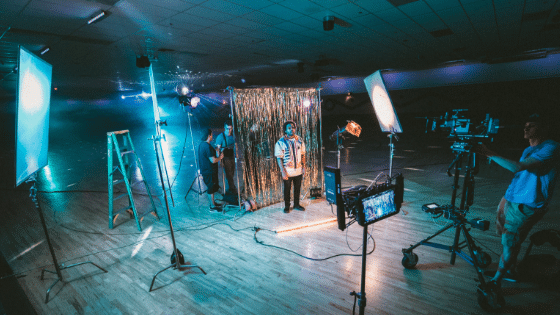
You spent time, money, and creative energy bringing your music video to life. Now it needs more than one upload and a few social posts. A strong music video promotion plan helps your video reach the right fans, drive more YouTube views, support your release, and keep working for you after the first day.
The good news is that you do not need a massive budget to promote a music video well. You need a timeline, strong YouTube metadata, repeatable short-form content, fan communication, and a clear next step for anyone who watches.
Key Takeaways
- Start before release day. Build anticipation with teasers, countdowns, behind-the-scenes clips, and a clear premiere date.
- Optimize your YouTube upload. Your title, description, thumbnail, captions, playlist placement, cards, and end screens all help discovery.
- Turn one video into many assets. Cut the video into Reels, TikToks, YouTube Shorts, Stories, and email content.
- Promote beyond social media. Use your email list, collaborators, press contacts, fan communities, and video distribution platforms.
- Measure what works. Track watch time, click-through rate, traffic sources, saves, shares, and conversions so you can improve your next rollout.
How to Promote a Music Video: 9 Steps for Artists
1. Build Your Music Video Release Timeline Early
Do not wait until the day your video drops to start promoting it. Your promotion should begin before release day so fans know what is coming and have time to care.
A simple timeline can look like this:
- 3 to 4 weeks before release: Announce the video, confirm the release date, and start teasing the concept.
- 2 weeks before release: Share behind-the-scenes clips, stills from the shoot, and short previews.
- 1 week before release: Post the premiere link, send your first email, and ask fans to turn on reminders.
- Release day: Share the video everywhere, go live, reply to comments, and encourage fans to share.
- 1 to 4 weeks after release: Keep posting clips, stories, reactions, performance moments, and related content.
Music video promotion works best when it feels like a rollout, not a one-day announcement.
2. Create a YouTube Premiere Plan
If your video is launching on YouTube, consider using a YouTube Premiere. A premiere gives your release a scheduled moment, lets fans set reminders, and creates a shared viewing experience through live chat.
Before the premiere goes live, pin a comment with the most important next step. That could be streaming the song, subscribing to your channel, joining your email list, buying tickets, or watching another video.
What to include in your pinned comment
- A short thank-you message to fans.
- A link to stream or save the song.
- A link to merch, tour dates, or your website if relevant.
- A simple CTA, like “Comment your favorite scene” or “Share this with someone who needs to hear it.”
3. Optimize Your Music Video for YouTube SEO
YouTube is a discovery platform, not just a place to store videos. Your title, description, thumbnail, hashtags, captions, and channel structure help YouTube and viewers understand what your video is about.
Start with a clear title format that fans already recognize:
Artist Name – Song Title (Official Music Video)
You can add a short descriptor if it helps search or context, but keep the core title clean. Avoid clickbait that does not match the video.
Write a stronger YouTube description
Your first two lines matter because they appear before viewers click to expand the description. Use them to include the song title, artist name, and one clear action.
A strong music video description can include:
- The song title and artist name.
- A link to stream or save the song.
- A short description of the video or release story.
- Director, producer, editor, DP, stylist, and creative credits.
- Lyrics or a short lyric excerpt.
- Links to your website, tour dates, merch, and social profiles.
- Relevant hashtags, usually no more than a few focused tags.
You can learn more from YouTube’s official tips for video descriptions and titles and thumbnails.
Use a thumbnail that earns the click
Your thumbnail should be easy to understand quickly, even on a phone. Choose a striking frame, strong contrast, readable text if you use any, and an image that accurately reflects the video.
Avoid misleading thumbnails. The goal is not just to get the click. The goal is to get the right viewer to click and keep watching.
4. Turn the Video Into Short-Form Content
Your official music video is the main asset, but short-form clips are what help keep the release moving across TikTok, Instagram Reels, YouTube Shorts, Facebook Reels, and Stories.
Before release day, create a folder of short clips you can post for several weeks. This gives you more chances to reach fans without constantly asking them to “go watch the video.”
Short-form clip ideas for music video promotion
- The strongest 10 to 20 seconds of the chorus or hook.
- A behind-the-scenes moment from the shoot.
- A before-and-after edit showing raw footage next to the final scene.
- A story about the meaning of the song or video concept.
- A reaction clip from the artist, director, or fans.
- A lyric-led clip with on-screen text.
- A dance, challenge, transition, or visual trend if it fits the song naturally.
Do not post the exact same caption every time. Test different hooks, thumbnails, captions, and CTAs so you can see what drives the most views, shares, saves, comments, and clicks.
If TikTok is part of your plan, claim and use TikTok for Artists to access artist tools and insights that can help you understand how your music is performing on the platform.
5. Share the Video Everywhere Your Fans Already Are
Once your video is live, share it across every active channel you own. That includes Instagram, TikTok, YouTube Shorts, Facebook, X, Threads, your website, your email list, your Discord, your fan community, and your YouTube Community tab if you have access.
Each platform should get a version of the post that feels native. A YouTube link dropped into every caption is not always enough. Use clips, screenshots, short stories, and direct fan prompts to make the content fit the platform.
Pro tip: Ask fans a specific question instead of only asking them to watch. Try “Which scene hit hardest?” or “What lyric should we make into the next clip?” Specific prompts usually create better comments.
6. Send an Email Blast to Your Fans
Email is still one of the most direct ways to reach fans because you are not relying completely on a social algorithm. If you have an email list, use it before and after the video release.
Send one email before the video drops with the premiere link or release date. Then send another on release day with the video link and a short personal note about why the video matters.
Simple email structure for a music video release
- Subject line: The official video for “Song Title” is here
- Opening: One or two personal sentences from the artist.
- Main CTA: Watch the video.
- Secondary CTA: Share, comment, stream, or save the song.
- Bonus: Include a behind-the-scenes photo or short story from the shoot.
If you are just starting your list, use your website, Linktree-style landing page, merch table, QR codes, and social bios to collect emails before the next release.
7. Pitch the Video to Press, Playlists, Creators, and Communities
Music video promotion should include more than your own channels. Reach out to people and communities that already speak to your audience.
Good outreach targets can include:
- Music blogs and local press.
- Genre-specific YouTube channels and playlists.
- College radio and community stations with online content.
- Creators who use music in your genre.
- Dance, fashion, skate, gaming, lifestyle, or visual art creators if the video naturally fits their content.
- Online communities, subreddits, Facebook Groups, Discord servers, and forums where self-promotion is allowed.
Keep your pitch short. Include the video link, release date, genre, one-sentence story, clean artwork or stills, and why their audience might care.
Influencer and creator outreach tip
Do not only ask creators to “share my video.” Give them a specific idea they can use. For example, ask a dancer to interpret the hook, a fashion creator to react to the styling, or a filmmaker to break down a shot from the video. The easier you make the collaboration, the more likely someone is to say yes.
8. Use Paid Ads Strategically
Paid ads can help your music video reach more people, but they work best when your organic foundation is already strong. Before spending money, make sure your thumbnail, title, description, first 30 seconds, landing links, and channel layout are ready.
For YouTube promotion, Google Ads video campaigns can help you reach viewers on YouTube, Google TV, and Google video partners. You can learn more about setting up a campaign in Google’s official guide to creating a video campaign.
Start with a small test budget and compare audiences, creative clips, locations, and CTAs. Do not judge an ad only by views. Look at watch time, cost per engaged view, subscribers, comments, website clicks, saves, and streaming activity after the campaign.
9. Distribute and Monetize Your Music Video Beyond One Upload
YouTube is important, but it should not be the only place your video lives. Music videos can also support discovery and revenue across video and music platforms.
That is where video distribution comes in. Instead of treating your video as a single social post, you can deliver it to platforms where fans already listen and watch music.
Symphonic’s music video distribution service helps artists and labels distribute music videos to platforms like Spotify, YouTube, VEVO, Apple Music, TIDAL, and more. This is a natural next step if you want your video to support your release beyond a single YouTube upload.
You can also learn more about how video delivery works in our guide to music video distribution for independent artists.
Track Your Results After the Video Goes Live
Promotion does not end when the video is published. After the first few days, check your analytics and use that information to keep improving the campaign.
Important metrics to watch include:
- Click-through rate: Are the title and thumbnail getting people to click?
- Average view duration: Are viewers staying through the strongest parts of the video?
- Traffic sources: Are views coming from search, suggested videos, Shorts, external links, email, or ads?
- Audience retention: Where are people dropping off?
- Engagement: Are people commenting, sharing, saving, and subscribing?
- Conversions: Are viewers streaming the song, joining your email list, buying tickets, or watching another video?
Use the best-performing clips and traffic sources to guide your next round of posts. If a behind-the-scenes clip performs better than a polished teaser, make more content in that style. If search traffic is strong, improve related metadata and playlists. If email drives engaged viewers, make email a bigger part of your next rollout.
More Resources for Music Video Promotion
Want to keep improving your YouTube and video strategy? These resources can help:
- YouTube Marketing for Musicians: How to Grow Organically
- YouTube for Musicians: How to Grow, Promote, and Monetize Your Music
- YouTube Monetization for Musicians
- Spotify Music Videos Are Here: How to Distribute Your Video
- The Complete YouTube Guide for the Music Industry
Final Thoughts
A great music video can introduce your world to new fans, but it needs a plan behind it. Build anticipation before release day, optimize your YouTube upload, turn the video into short-form content, activate your email list, pitch the right partners, test ads carefully, and look for ways to distribute and monetize the video beyond one platform.
The more intentional your rollout is, the more chances your video has to reach people who will not just watch once, but follow, stream, share, and support what you do next.
Ready to get your music video on more platforms? Explore Symphonic’s music video distribution services.
Want more YouTube tips? Download our free Complete YouTube Guide for the Music Industry.
Frequently Asked Questions
How do I promote a music video with no budget?
Start with organic promotion. Announce the video early, schedule a YouTube Premiere, post short-form clips, email your fans, ask collaborators to share, pitch relevant communities, and keep repurposing the video for several weeks after release.
When should I start promoting my music video?
Start promoting your music video at least two to four weeks before release if possible. This gives you time to tease the concept, share behind-the-scenes content, collect fan interest, send emails, and build momentum before the video goes live.
What is the best platform to promote a music video?
YouTube is usually the main home for an official music video, but short-form platforms like TikTok, Instagram Reels, and YouTube Shorts are important for discovery. The best strategy is to use short-form clips to drive attention, then send fans to the full video, the song, or your artist hub.
How do I make my music video easier to find on YouTube?
Use a clear title, write a keyword-rich description, upload a strong custom thumbnail, add captions, place the video in a relevant playlist, use cards and end screens, and include a pinned comment with a clear next step for viewers.
Should I run ads for my music video?
Ads can help once your video and channel are ready. Start with a small test budget, compare audiences and creative clips, and measure more than views. Watch time, engagement, subscribers, website clicks, and streaming activity are better signs of real progress.

Other Stories You May Like


2 Comments
Comments are closed.